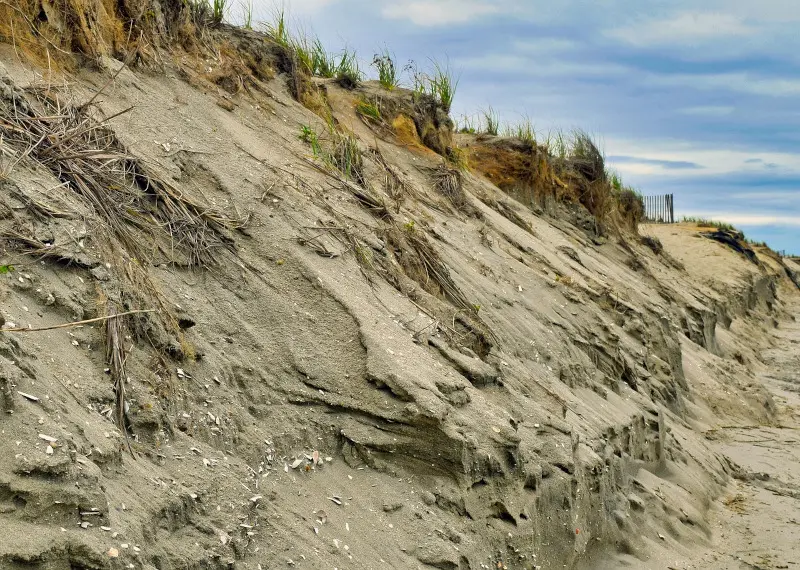
Coastal erosion solutions are essential in safeguarding coastal communities and ecosystems from the increasing threats of rising sea levels, extreme weather, and human activity. This article explores 14 traditional and innovative solutions that offer both immediate and long-term protection for vulnerable shorelines.
Table of Contents
Introduction
Coastal Erosion Overview
Coastal erosion is the gradual destruction or removal of coastal landforms, such as beaches, dunes, and cliffs, due to natural or human-induced factors. This process can be accelerated by various factors, including:
Coastal erosion is the gradual destruction or removal of coastal landforms, such as beaches, dunes, and cliffs, due to natural or human-induced factors.
1. Sea-level rise
As global temperatures continue to rise due to climate change, sea levels are projected to increase, posing significant threats to coastal communities and ecosystems. Rising sea levels lead to more frequent and severe coastal flooding and erosion, as warmer ocean waters expand increasing the ocean’s surface area. This, in turn, causes saltwater to penetrate further inland, contaminating freshwater sources, and eroding coastlines, beaches, and dunes.
The consequences of climate change are far-reaching, including damage to infrastructure, loss of property, and displacement of communities. As a result, coastal areas are becoming increasingly vulnerable to the impacts of sea-level rise, emphasizing the need for proactive measures to protect and adapt to these changing conditions.
2. Powerful Storms
Powerful storms can have a devastating impact on coastlines, particularly in areas with soft or unstable soils. The intense winds, high waves, and storm surges associated with these events can erode coastlines, causing significant damage to beaches, dunes, and cliffs.
In areas with loose or unstable soils, such as sand or peat, the erosion can be particularly severe, as these materials are easily displaced by the force of the storm. The resulting erosion can lead to loss of property, infrastructure damage, and displacement of communities.
Additionally, the increased sediment transport and deposition can alter coastal morphology, leading to changes in shoreline shape and position.
3. High tides
High tides can have a significant impact on coastlines, particularly in areas with soft or unstable soils. As the tide rises, it can cause water to overflow onto the land, eroding coastlines and causing damage to beaches, dunes, and cliffs.
In areas with loose or unstable soils, such as sand or peat, the erosion can be particularly severe, as these materials are easily displaced by the force of the water. The increased water level can also cause saltwater to penetrate further inland (otherwise referred to as saltwater intrusion), contaminating freshwater sources and disrupting coastal ecosystems.
Furthermore, the repetitive action of high tides can lead to long-term erosion, as the constant pounding of the water against the coast wears away the shoreline, resulting in a loss of land and property.
4. Human activities
Coastal development, mining, and dredging can have a profound impact on coastal ecosystems and lead to erosion. When coastal areas are developed, mined, or dredged, the natural sediment transport process is disrupted, causing sediment to be removed or altered in ways that can lead to erosion.
For example, coastal development can lead to the destruction of dunes and other natural barriers that protect against erosion. Sand mining can also disrupt sediment transport by removing sediment from the coastal zone, leaving behind a barren and vulnerable landscape. As a result, coastal areas that have been impacted by these activities are often more susceptible to erosion, as the natural processes that once protected them are disrupted.
5. Ocean dynamics, shifts due to climate change
Changes in ocean currents, wave patterns, and storm intensity can have a significant impact on coastal erosion. Shifts in ocean currents can alter the flow of sediment and water along coastlines, leading to erosion in some areas and deposition in others. Changes in wave patterns can also impact coastal erosion, as altered wave directions and intensities can cause more frequent and severe erosion events.
Additionally, increases in storm intensity can lead to more frequent and severe coastal flooding and erosion, as the increased energy of the storms can erode coastlines more rapidly.
Impact of Coastal Erosion on Environments and Economies
Coastal erosion has significant environmental and economic implications. It can lead to loss of habitat, infrastructure damage, agricultural and fishing impacts, and increased risk of flooding.
Loss of habitat
Coastal erosion poses a severe threat to critical marine ecosystems by physically destroying the habitats that countless species depend upon for survival. As waves, storms, and rising sea levels wear away shorelines, they can devastate coral reefs that provide shelter and breeding grounds for fish, dismantle mangrove forests that serve as nurseries for juvenile marine life and protect inland areas from storm surges, and eliminate salt marshes that filter pollutants while supporting diverse communities of crustaceans, mollusks, and migratory birds.
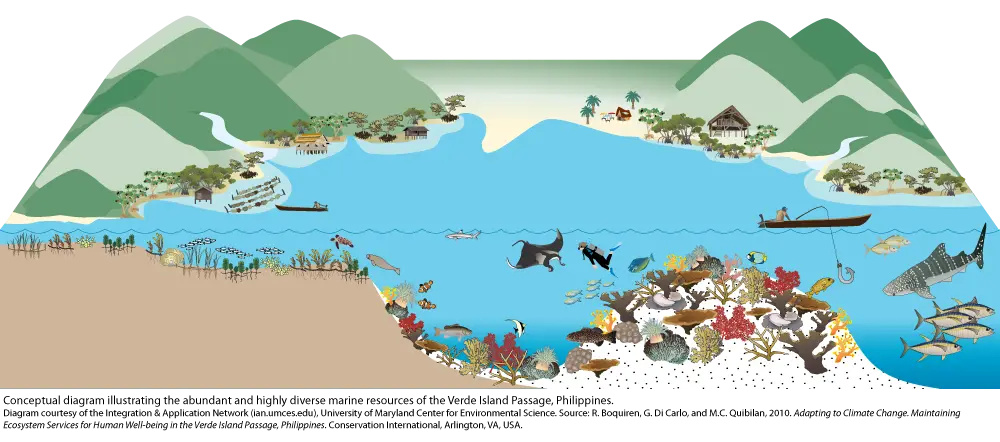
The loss of these interconnected habitats creates a cascading effect throughout the marine food web, reducing biodiversity, disrupting breeding cycles, and ultimately threatening the ecological balance of coastal regions while also diminishing the natural barriers that protect human communities from flooding and erosion. This environmental degradation not only impacts marine species directly but also undermines the ecosystem services these habitats provide, including carbon sequestration, water filtration, and coastal protection, making their preservation essential for both ecological health and human welfare.
Infrastructure damage
Coastal erosion poses a serious threat to human infrastructure by gradually wearing away the land that supports buildings, roads, bridges, and other essential structures. As erosion intensifies due to factors like sea level rise, increased storm activity, and human development, these infrastructures can be compromised, leading to costly repairs or complete loss. This not only disrupts daily life and transportation but also results in substantial financial burdens for individuals, businesses, and governments.
The economic impact includes the expenses of reconstruction, decreased property values, and the loss of revenue from tourism and local industries that rely on stable coastal environments. Thus, local governments must figure out ways on how to prevent coastal erosion at least cost.
Fishing impacts
Coastal erosion can dig up trash that’s been buried in sand dunes and other coastal areas, bringing it back into the ocean over time. This means that as the coast wears away, it can act like a slow, ongoing source of pollution by releasing litter into the sea, adding to the already existing pollution from other sources (Andriolo and Gonçalves, 2022).
When coastal erosion uncovers litter that was previously buried in dunes and other coastal areas, it can introduce harmful debris into the marine environment. This litter, such as plastics, metals, and other pollutants, can damage marine ecosystems by entangling or poisoning marine life, reducing fish populations, and contaminating the food chain.
As a result, fishing can be negatively impacted through decreased fish stocks, the presence of pollutants in seafood, and the potential for fishing gear to become damaged, all of which can affect both the sustainability of fisheries and the livelihoods of those who depend on them.
Increased risk of flooding
Coastal erosion weakens the natural barriers that protect inland areas from storm surges and high tides, thereby increasing the vulnerability of coastal communities to flooding. As beaches, dunes, and wetlands are lost to erosion, the land becomes more exposed to the full force of waves and rising waters, which can overwhelm infrastructure, homes, and public spaces.
This heightened risk of flooding not only results in extensive property damage but can also force residents to evacuate, leading to displacement and, in severe cases, loss of life. The consequences of such events can be long-lasting, affecting both the physical and emotional well-being of affected populations while also placing a heavy financial burden on local and national economies.
Importance of Preventing Coastal Erosion: 4 Benefits
Beach erosion prevention is crucial for sustainable development and environmental preservation. The benefits of coastal erosion prevention include:
- Protection of ecosystems: Preserving coastal ecosystems helps prevent biodiversity loss, supports fisheries, and protects against natural disasters.
- Economic benefits: Investing in coastal erosion prevention can save communities from costly repairs and reconstruction.
- Climate resilience: Reducing coastal erosion can help communities adapt to climate change and build resilience against future natural disasters.
- Long-term sustainability: Preventing coastal erosion ensures the long-term sustainability of coastal ecosystems, economies, and communities.
7 Traditional Coastal Erosion Solutions
Traditional coastal erosion prevention methods are technologies used to protect coastlines from the damaging effects of wave action, storm surges, and rising sea levels. These methods include:
1. Seawalls
Seawalls are rigid structures built along the shore to absorb and deflect wave energy. They are typically made of concrete or stone and are designed to protect coastal infrastructure and properties from the force of incoming waves. However, seawalls can sometimes accelerate erosion on adjacent areas by reflecting wave energy back into the ocean.
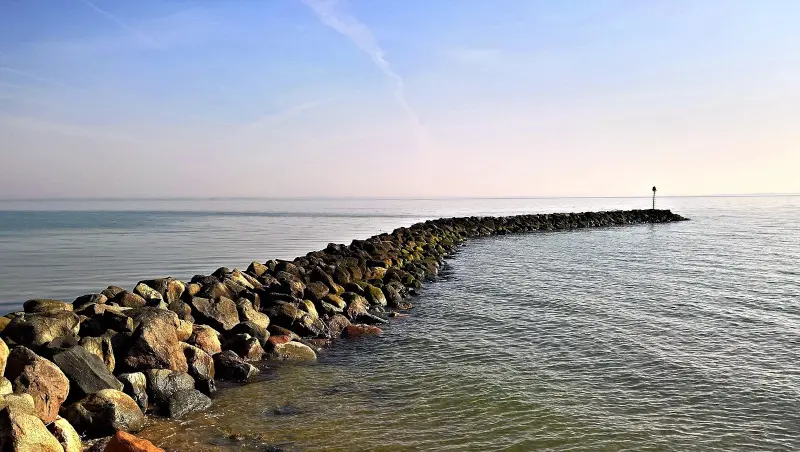
2. Breakwaters
Breakwaters are large structures placed offshore to reduce wave intensity before it reaches the coast. They are often made of rock, concrete, or other durable materials and help to dissipate wave energy, protecting the shoreline from erosion. However, breakwaters can also cause sediment buildup in some areas while reducing it in others, potentially altering local coastal dynamics.
A seawall directly absorbs and reflects wave energy, protecting coastal properties and infrastructure from erosion and flooding. On the other hand, a breakwater dissipates wave energy in deeper water, thereby reducing the force of waves that reach the shoreline. Therefore, its effect is indirect.
3. Groynes
Groynes are perpendicular structures built from wood, stone, or concrete to trap sediment and reduce longshore drift.
4. Revetments
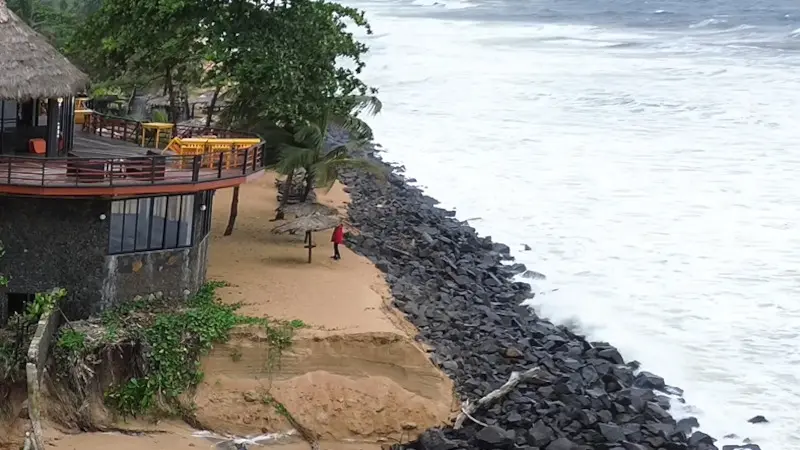
Revetments are sloped structures made of stone or concrete that cover the shore to prevent erosion. They are designed to absorb the energy of waves and reduce the impact of water on the shoreline. Revetments are often used in conjunction with other erosion control methods, such as groynes or vegetation, to provide more comprehensive protection.
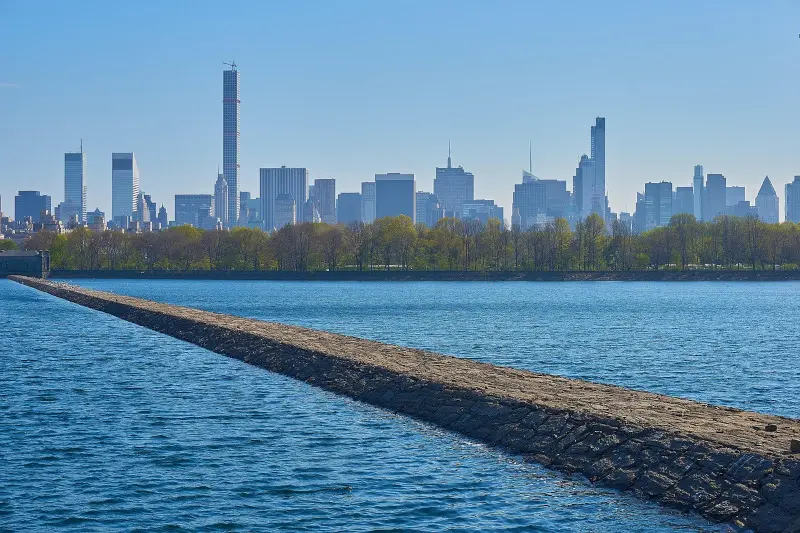
5. Levees and Dikes
The main difference between levees and dikes lies in their construction and purpose, though they are similar in function. Levees are typically raised embankments built along rivers to contain floodwaters and protect adjacent land. They are often made of compacted earth and are used in areas prone to seasonal flooding. On the other hand, dikes are also raised barriers, but they are more commonly associated with coastal or low-lying areas, especially in regions like the Netherlands. Dikes often include drainage systems and are designed to hold back water from both rivers and the sea.
6. Sand Dune Restoration
Rebuilding or reinforcing natural dunes, which act as a natural barrier against erosion. See how scientists restored the sand dunes of Catalonia, Spain in the video below.
7. Mangrove and Wetland Restoration
Reintroducing vegetation that stabilizes the soil and reduces wave energy can help prevent coastal erosion. This approach entails less cost compared to the other coastal erosion prevention technologies referred to as a soft adaptation strategy. While effective, it takes considerable time to realize its full potential as trees or plants take years to grow.
These traditional methods are often used in combination to provide effective coastal protection.
Innovative and Emerging Coastal Erosion Solutions
Innovative and emerging coastal erosion prevention technologies focus on sustainable, nature-based solutions and advanced engineering techniques. Here is a list of these coastal erosion prevention technologies:
1. Living Shorelines
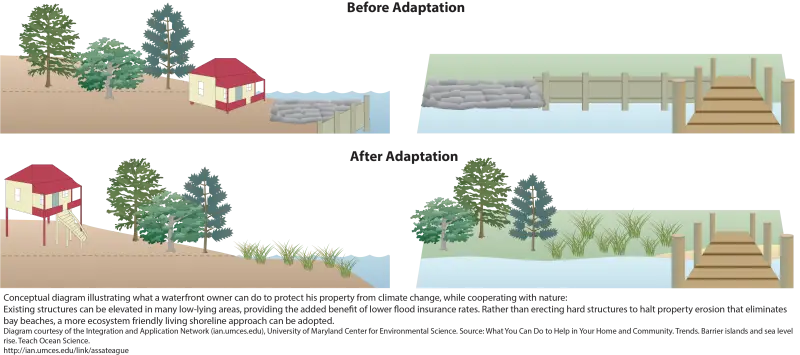
Living shorelines are an innovative and eco-friendly approach to coastal erosion prevention that uses natural materials such as plants, oyster reefs, and wetlands to stabilize the coast and promote biodiversity. By integrating these elements, living shorelines not only protect the shoreline from erosion but also enhance local ecosystems, providing habitats for various species and improving water quality. This method offers a sustainable alternative to traditional hard engineering solutions, offering long-term resilience while supporting environmental health.
2. Bioengineering
Bioengineering involves incorporating vegetation, such as grasses and shrubs, with geotextiles or other materials to reinforce the soil and reduce erosion. It combines living vegetation with engineered materials to create effective erosion control systems.
The process typically begins with site preparation, where the soil is graded and stabilized using geotextiles—permeable fabrics that provide immediate reinforcement while allowing water and air to pass through. Native grasses, shrubs, and other plants with deep, fibrous root systems are then planted directly into or around these materials, often using techniques like live staking, brush layering, or vegetated geogrids.
As the plants establish themselves, their roots interweave with the geotextile matrix, creating a strong, three-dimensional network that anchors the soil. The vegetation’s canopy also reduces the impact of rainfall on the soil surface, while the roots absorb excess water and increase soil cohesion.
Over time, as the plants mature, they become the primary stabilizing force, with the geotextiles gradually degrading (if biodegradable) or remaining as a permanent support structure. This integrated approach provides both immediate protection from the synthetic materials and long-term, self-sustaining stabilization from the living plants, making it an effective and environmentally friendly solution for controlling erosion on slopes, streambanks, and other vulnerable landscapes.
3. Artificial Reefs
Artificial reefs are man-made underwater structures designed to mimic natural reef environments by reducing wave energy and promoting the growth of marine life. These structures are typically constructed from materials such as concrete, stone, or even recycled items, and are strategically placed in coastal or marine areas to provide habitat for fish, corals, and other aquatic organisms.
As marine life colonizes the reef, the structures also help trap and accumulate sediment, contributing to the stabilization of the surrounding seabed. This process not only enhances biodiversity but also aids in coastal protection by reducing erosion and buffering the impact of waves on shorelines.
4. Geotextile Sand Containers
Geotextile sand containers are flexible, permeable structures made from durable geotextile fabric and filled with sand, allowing water to pass through while maintaining structural integrity. These containers are commonly used in civil engineering and coastal protection projects to create temporary or permanent protective barriers, such as revetments, breakwaters, or retaining walls. Their flexibility allows them to conform to uneven terrain, while their permeability prevents water buildup and reduces hydrostatic pressure.
By acting as a stable yet adaptable material, geotextile sand containers help prevent erosion, stabilize slopes, and protect infrastructure from wave action and flooding, making them a versatile and effective solution in both marine and land-based environments.
5. Soft Engineering Solutions
Soft engineering solutions are techniques like beach nourishment, where sand is added to the beach to widen it and act as a buffer against waves. These methods work with natural processes to provide long-term coastal protection while maintaining ecological balance. Unlike hard engineering, they are often more adaptable and environmentally friendly.
6. Smart Monitoring Systems
Using sensors, drones, and satellite imagery to monitor erosion in real time and inform adaptive management strategies.
7. 3D-Printed Structures
Experimental use of 3D printing to create custom coastal protection structures that are cost-effective and environmentally friendly. Using advanced 3D printing technologies, engineers can design and fabricate complex shapes and forms tailored to specific coastal conditions, such as wave dynamics, sediment flow, and local ecosystems. These structures can be made from sustainable materials like recycled plastics or biodegradable composites, reducing environmental impact compared to traditional concrete or steel solutions.
Additionally, 3D printing allows for the production of lightweight yet durable components that are easier to transport and install, potentially lowering construction costs and labor requirements.
These technologies aim to provide more resilient and ecologically friendly alternatives to traditional hard engineering solutions.
Lessons Learned from the Implementation of the Different Coastal Erosion Solutions
What are lessons learned about the implementation of traditional and innovative coastal erosion solutions? Based on the criteria of effectiveness, cost, environmental compatibility, and sustainability, here are some of the strengths and weaknesses of the coastal erosion prevention technologies.
Effectiveness
Traditional hard engineering solutions like dikes, seawalls, and breakwaters are generally highly effective in providing immediate protection against erosion and flooding. However, they often fail to address long-term ecological impacts or may even exacerbate erosion in adjacent areas (Reeve et al., 2018).
In contrast, nature-based and innovative solutions such as living shorelines, mangrove restoration, and bioengineering offer high to moderate effectiveness in stabilizing coasts while supporting ecological resilience. Protection accorded by these approaches, however, takes time.
Cost
Hard engineering solutions typically involve high initial and maintenance costs, making them expensive to implement and sustain over time. On the other hand, nature-based and soft engineering approaches, such as sand dune restoration and wetland rehabilitation, tend to be more cost-effective in the long run, with lower maintenance needs and potential for natural self-repair.
Environmental Compatibility
Traditional methods often have low environmental compatibility, as they can disrupt natural hydrology, degrade habitats, and reduce biodiversity. In contrast, innovative and nature-based solutions are highly compatible with the environment, promoting biodiversity, improving water quality, and supporting coastal ecosystems.
Sustainability
Hard engineering solutions are generally less sustainable due to their high maintenance needs and vulnerability to extreme weather events. In contrast, nature-based and soft engineering solutions are more sustainable, offering long-term resilience, adaptability, and minimal environmental impact, making them increasingly favored in coastal management strategies.
The Role of Policy and Community Engagement
Policies formulated and implemented by the government provide the legal and regulatory framework necessary to ensure that erosion prevention measures are implemented consistently and effectively across different regions and sectors. They help allocate resources, set standards for construction and land use, and encourage the adoption of sustainable practices that protect both the environment and communities. Additionally, policies can foster collaboration between governments, private entities, and local stakeholders to create long-term, coordinated strategies for managing coastal and land erosion risks.
Local communities can promote coastal erosion prevention technologies by actively participating in habitat restoration, such as planting native vegetation to stabilize dunes and reduce wave impact. They can also engage in citizen science programs, contributing to beach profiling and monitoring efforts that provide valuable data for coastal managers and increase community awareness. Additionally, communities can advocate for and implement nature-based solutions like living shorelines, which use plants, reefs, and natural barriers to reduce erosion while maintaining ecological processes.
Challenges and Future Directions
Solutions for coastal erosion face several challenges, including technological constraints due to differences in regional capabilities and knowledge gaps, as well as the need to account for temporal dynamics that cause continuous changes in coastal environments.
Additionally, implementing these strategies often involves complex social and economic factors, such as the potential disruption of ecosystems through methods like dredging or beach nourishment.
Future directions include the development of more standardized and effective nature-based solutions, such as artificial coral reefs and mangrove restoration, which can provide both ecological and structural benefits.
Innovations like AI-driven early detection systems and hybrid methods combining artificial reefs with traditional structures are also being explored to enhance resilience against rising sea levels and increasing storm intensity (Kim et al., 2020; Borangic, n.d.).
Conclusion
In conclusion, the 14 traditional and innovative coastal erosion solutions highlight a diverse range of approaches that address the complex challenges of coastal erosion. From time-tested methods like seawalls and dikes to nature-based solutions such as mangrove restoration and artificial reefs, these technologies demonstrate the importance of combining engineering expertise with ecological principles.
As climate change intensifies coastal threats, the integration of innovative techniques like 3D-printed structures and AI-driven monitoring systems offers promising pathways for sustainable and adaptive management. By embracing both traditional wisdom and modern advancements, coastal communities can build resilient defenses that protect ecosystems, infrastructure, and livelihoods for future generations.
Communities, governments, and industries should adopt and invest in sustainable coastal erosion solutions by highlighting their long-term economic, environmental, and social benefits. Sustainable technologies not only reduce ecological footprints but also enhance resilience against climate change, create green jobs, and foster innovation. By prioritizing these solutions, stakeholders can drive meaningful progress toward a more sustainable future while ensuring the protection of natural resources and the well-being of future generations.
References
Andriolo, U., & Gonçalves, G. (2022). Is coastal erosion a source of marine litter pollution? Evidence of coastal dunes being a reservoir of plastics. Marine pollution bulletin, 174, 113307.
Borangic, I. W. (n.d.). Innovative Approaches for Coastal Protection. Retrieved from https://www.holcim.co.uk/blog/innovative-approaches-coastal-protection
Kim, T., Baek, S., Kwon, Y., Lee, J., Cha, S. M., & Kwon, S. (2020). Improved coastal erosion prevention using a hybrid method with an artificial coral reef: large-scale 3D hydraulic experiment. Water, 12(10), 2801.
Reeve, D., Chadwick, A., & Fleming, C. (2018). Coastal engineering: processes, theory and design practice. Crc Press.
Frequently Asked Questions (FAQs)
What are some examples of coastal erosion solutions?
The article categorizes coastal erosion solutions into traditional and innovative types. Traditional examples include rigid structures like seawalls, breakwaters, groynes, revetments, and levees and dikes, as well as natural restoration strategies like sand dune restoration and mangrove and wetland restoration. Innovative examples include living shorelines, bioengineering, artificial reefs, geotextile sand containers, soft engineering solutions, smart monitoring systems, and 3D-printed structures.
What are considered the best coastal erosion solutions for long-term sustainability?
According to the implementation lessons in the article, nature-based and soft engineering solutions (such as living shorelines, mangrove restoration, and sand dune restoration) are often favored for long-term sustainability and environmental compatibility. While traditional hard engineering solutions like seawalls provide immediate protection, they tend to have higher long-term maintenance costs and can sometimes exacerbate erosion in adjacent areas.
Why is coastal protection crucial for vulnerable shorelines?
Coastal protection is essential for safeguarding coastal communities and marine ecosystems from rising sea levels, severe storms, high tides, and human activities. Implementing effective prevention technologies offers several vital benefits, including ecosystem and biodiversity protection, economic savings on infrastructure repairs, enhanced climate resilience, and long-term sustainability.
©2026 SimplyEducate.me | P. A. Regoniel