
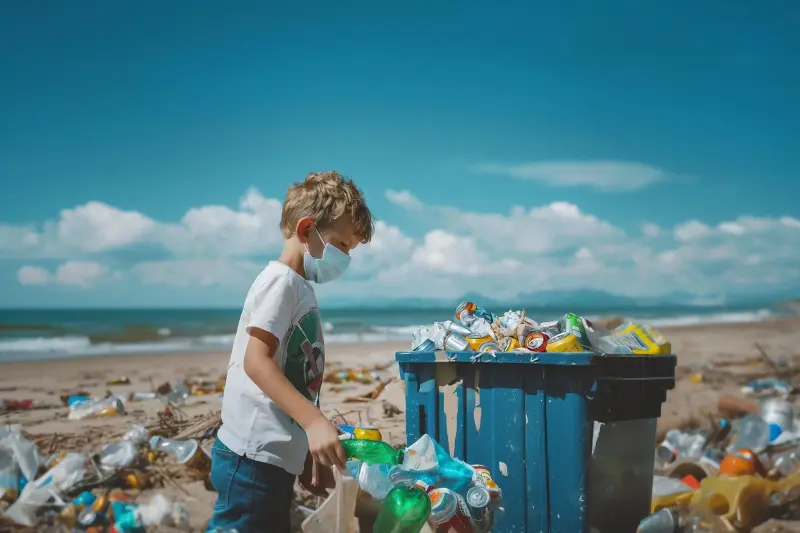
How can beach cleanups help intertidal zone animals?
This article explains the impact of marine debris on intertidal zone fauna and the role of beach cleanups in ecosystem recovery. A policy perspective is adopted to help shape rules and regulations about the intertidal zone—an area vital for the survival and sustenance of marine life.
The article emphasizes the need for regulatory frameworks, best practices, and international cooperation to address the issue of marine debris in intertidal zones.
Table of Contents
Introduction
The intertidal zone, the area between the high and low tide lines, is a dynamic and ecologically vital habitat that supports a rich diversity of life. This region is constantly exposed to environmental fluctuations, including wave action, salinity changes, and temperature variations.
Despite these challenges, it serves as a critical interface between land and sea, playing a key role in nutrient cycling, coastal protection, and supporting both marine and human communities.
However, the increasing prevalence of marine debris poses a serious threat to this fragile ecosystem.
This article explores the direct impacts of marine debris on intertidal fauna, the benefits of cleanup efforts, and the broader implications for both the ecosystem and human societies, with a focus on policy responses.
Definition and Importance of the Intertidal Zone
The intertidal zone is characterized by its unique exposure to both air and water, creating a habitat that demands high adaptability from its inhabitants. Organisms in this zone, such as fishes, barnacles, mussels, crabs, and various species of algae, have evolved specialized physiological and behavioral traits to survive the periodic submersion and exposure.
The intertidal zone is also crucial for nutrient cycling, acting as a filter for pollutants and a buffer against coastal erosion. Furthermore, it supports fisheries and provides resources for human communities, including food and recreational opportunities.
Direct and Indirect Impacts of Marine Debris on Intertidal Animals and Humans
Direct Threat of Marine Debris to Intertidal Zone Animals
Marine debris, particularly plastics and abandoned fishing gear, has become one of the most pressing environmental challenges of the 21st century (Browne et al., 2015). These materials often accumulate in intertidal zones due to their proximity to human activity and the natural tides that bring debris from the open ocean.
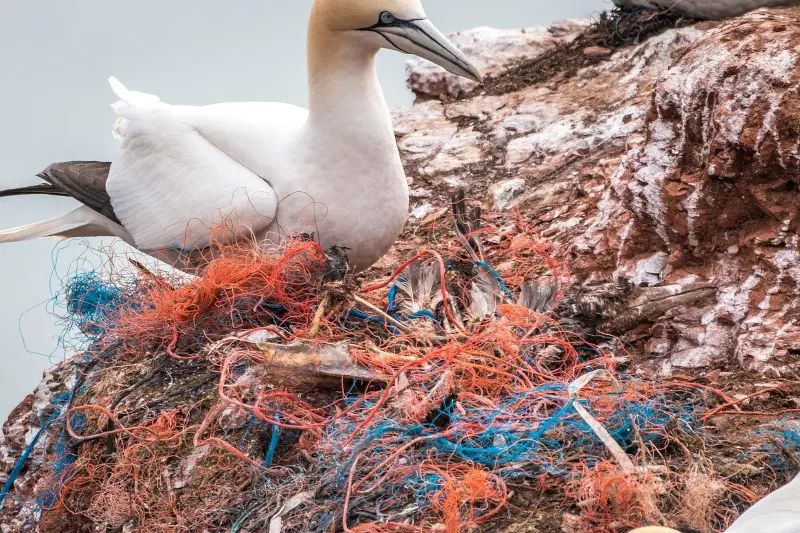
1. Entanglement in plastic debris
Entanglement in plastic debris is a major cause of injury and death for many intertidal species. For example, crabs and sea turtles may become trapped in plastic bags or fishing nets, which can restrict movement, cause physical trauma, or lead to suffocation (Santoro et al., 2019).
Entanglement in marine debris has severe long-term consequences for coastal and marine animals. When species such as sea turtles, seabirds, seals, and crabs become trapped in fishing nets, ropes, or plastic waste, they often suffer chronic injuries, restricted movement, and infections that can persist for years.
These physical impairments reduce their ability to feed, migrate, and reproduce, ultimately lowering survival rates. Over time, repeated entanglement events across populations contribute to declining numbers of vulnerable species, including keystone organisms that play essential roles in maintaining ecosystem balance.
Beyond individual harm, entanglement disrupts entire ecosystems. The loss of predators or filter-feeders can trigger cascading effects in food webs, leading to reduced biodiversity and weakened ecosystem resilience.
For human communities, the impacts are equally significant: declining fisheries, reduced tourism appeal, and increased health risks from contaminated waters and seafood. In the long run, entanglement from marine debris undermines both ecological stability and human well-being, making prevention and cleanup efforts critical for sustaining healthy coastal environments.
2. Ingestion of debris
Ingestion of debris is another critical issue, as animals may mistake plastic for food. Ingested plastic can block digestive tracts, cause internal injuries, or lead to a false sense of satiety, reducing food intake. Studies have shown that species such as crustaceans and seabirds are particularly vulnerable to these effects (NOAA Marine Debris Program).
Plastics, in particular, are persistent in the environment, breaking down into microplastics over time, which can be ingested by a wide range of intertidal zone animals especially the detritus feeders like crabs and shrimps. Microplastics accummulate in the bodies of these organisms.
Indirect Threat of Microplastics to Humans Through Food
Once the edible intertidal zone animals like crabs, fishes, and shells are harvested for food by coastal dwellers or fishers, the microplastics ingested by these animals make their way into the human body through the coastal and marine food chain as part of the natural processes of the ecosystem.
Let’s see how this will happen by examining the prey-predator, or producer-consumer relationship in the intertidal zone food chain in the light of the ecosystem principle.
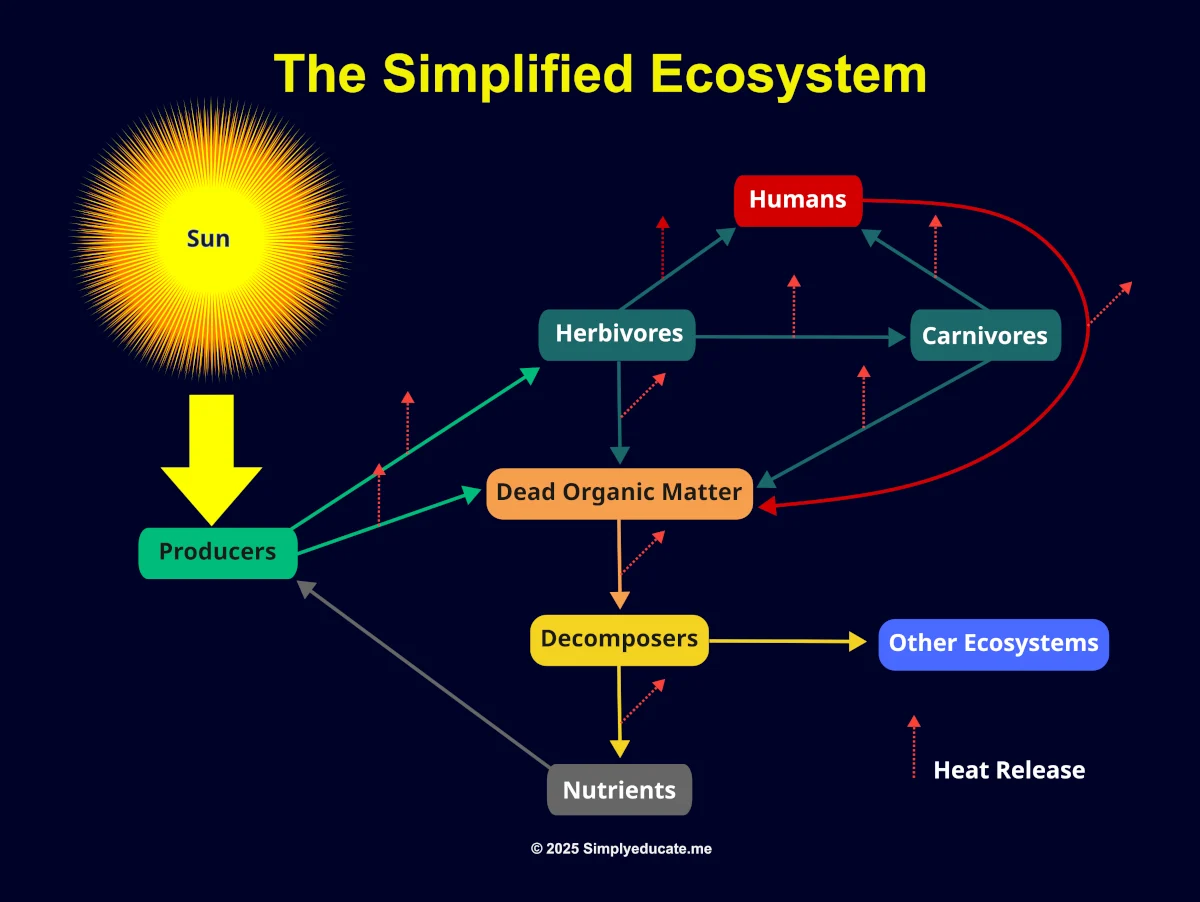
The intertidal zone food chain begins with algae, seaweeds, and phytoplankton that harness sunlight to produce energy, forming the foundation of life in tide pools. Herbivores such as snails, limpets, and mussels feed on these producers, while carnivores like crabs, sea stars, and small fish prey on the herbivores. Larger predators, including octopuses and shorebirds, occupy the next level, keeping populations balanced.
Humans enter this food chain as apex consumers, harvesting fish, crabs, mussels, and seaweeds for food and commerce. By doing so, we link the intertidal ecosystem to broader human systems of nutrition.
Human health is compromised if the quality of food is compromised through the ingestion of marine debris like microplastics by intertidal zone animals in the lower trophic levels happen. Nouri et al. (2025) reported that microplastics can reach the liver, heart, lungs, and some other organs.
Thus, health problems related to the body’s reaction to these foreign elements arise. The immune system is triggered leading to health problems like inflammation and even DNA damage (Mahmud et al., 2024).
How Can Beach Cleanups Help Intertidal Zone Animals?
1. Immediate Threat Removal
Marine debris cleanup initiatives play a vital role in reducing the immediate threats posed to intertidal fauna. By removing plastic and other debris from the shoreline, these efforts help prevent ingestion and entanglement, which can significantly improve the survival rates of local species.
Cleanup activities also raise public awareness about the issue of marine pollution, encouraging more sustainable behaviors and policies. These efforts help foster a sense of responsibility among communities and inspire long-term environmental stewardship.
2. Habitat Restoration
Beyond the immediate removal of debris, cleanups can contribute to the long-term restoration of intertidal habitats. The removal of non-native and harmful materials allows for the recovery of native flora and fauna, promoting biodiversity and ecological resilience.
Additionally, by restoring the physical structure of the intertidal zone, cleanups can help maintain the natural processes that support the health of the ecosystem so that is is able to provide ecosystem services that coastal populations and the greater population need.
Broader Ecosystem and Human Impacts
The effects of marine debris extend beyond the intertidal zone, influencing the broader marine ecosystem. Debris can disrupt food webs by affecting the availability and quality of food for higher trophic levels. Bioaccummulation of unnatural materials like microplastics becomes a problem.
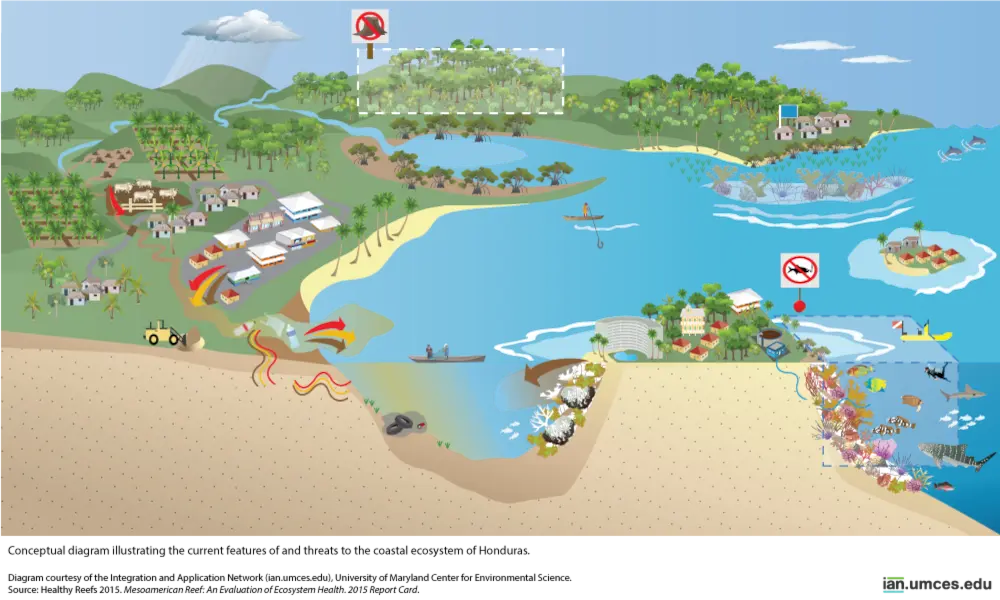
For example, if a keystone species is impacted by debris, this can have cascading effects on predators such as fish and seabirds. Long-term exposure to debris can also lead to reduced biodiversity and the loss of ecosystem services, such as water filtration and carbon sequestration (Browne et al., 2015).
From a human perspective, the degradation of intertidal zones can have economic and health implications. Coastal communities that rely on these areas for fishing and tourism may experience reduced yields or increased health risks from contaminated seafood.
Furthermore, marine debris can accumulate pathogens, such as bacteria and viruses, which can contaminate coastal waters and pose a risk to human health through activities like swimming or consuming contaminated seafood.
Additionally, debris can trap hazardous materials, such as oil or chemicals, which can leach into the environment and further endanger public health.
Conclusion
The intertidal zone is a critical and vulnerable component of the marine environment, facing increasing threats from marine debris. The direct impacts of this pollution on intertidal fauna, such as entanglement and ingestion, underscore the urgent need for conservation efforts.
Cleanup initiatives not only remove immediate threats but also contribute to the long-term restoration of these ecosystems.
As policymakers and environmental managers, it is essential to recognize the broader ecological and human implications of marine debris and to advocate for sustainable practices that protect our coastal environments.
References
Browne, M. A., Chapman, M. G., Thompson, R. C., Amaral Zettler, L. A., Jambeck, J., & Mallos, N. J. (2015). Spatial and temporal patterns of stranded intertidal marine debris: is there a picture of global change?. Environmental Science & Technology, 49(12), 7082-7094.
Mahmud, F., Sarker, D. B., Jocelyn, J. A., & Sang, Q. X. A. (2024). Molecular and cellular effects of microplastics and nanoplastics: focus on inflammation and senescence. Cells, 13(21), 1788.
Nouri, M., Massahi, T., & Hossini, H. (2025). Microplastics in human body: a narrative on routes of exposure to contamination and potential health effects. Environmental Pollutants and Bioavailability, 37(1), 2538535.
Richards, J. G. (2011). Physiological, behavioral and biochemical adaptations of intertidal fishes to hypoxia. Journal of Experimental Biology, 214(2), 191-199.
Santoro, P., La Russa, R., Besi, L., Volonnino, G., dell’Aquila, M., De Matties, A., & Maiese, A. (2019). The forensic approach to plastic bag suffocation: Case reports and review of the literature. Medico-Legal Journal, 87(4), 214-220.
FAQ: How Can Beach Cleanups Help Intertidal Zone Animals?
Q1. What are the main threats to the intertidal zone?
Marine debris, especially plastics and abandoned fishing gear, poses serious risks through entanglement, ingestion, and habitat disruption.
Q2. How does marine debris impact intertidal fauna?
Animals such as crabs, sea turtles, seabirds, and crustaceans may suffer injury, suffocation, or digestive blockages from entanglement or ingestion of plastics.
Q3. How can beach cleanups help intertidal zone animals?
Cleanups remove immediate threats like plastic debris, prevent entanglement and ingestion, raise public awareness, and foster long-term environmental stewardship.
Q4. Do beach cleanups contribute to habitat restoration?
Yes. Removing harmful materials allows native species to recover, promotes biodiversity, and restores natural processes that support ecosystem health.
Q5. What are the broader ecosystem impacts of marine debris?
Debris disrupts food webs, reduces biodiversity, and diminishes ecosystem services such as water filtration and carbon sequestration.
Q6. How does marine debris affect human communities?
It can reduce fishery yields, harm tourism, contaminate seafood, and pose health risks through pathogens and hazardous materials in coastal waters.
© SimplyEducate.me | P. A. Regoniel