
Is there a correlation between blue light and sleep? The short answer—Yes. Here is my personal experience and the scientific explanation why blue light exposure especially at night can disrupt your sleep. It also explains how blue light eyeglasses can help you sleep better.
For those who lack sleep due to computer overwork because you work best at night, here is the article for you. Take control of your sleeping patterns by getting rid of the blue light emanating from your computer: desktop, laptop, tablet, or mobile phone.
Table of Contents
I noticed that there seems to be a connection between the hours I spent sleeping and my use of the computer. As I stay logged in late in the night staring at the computer screen, the shorter my sleep time. I thought, “Is there a relationship between computer use especially at night and the number of hours I spent sleeping?
Blue Light Effects on Sleep
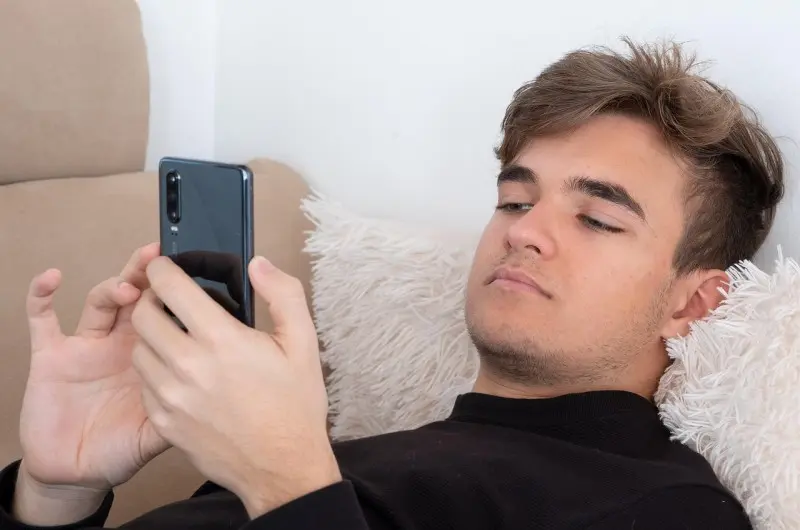
According to Shechter and his team (Schecter et al., 2018), using your digital devices before bed, though tempting, can interfere with sleep by suppressing melatonin production—a natural hormone released in the evening to induce tiredness—leading to neurophysiological arousals that increase alertness when you should be winding down. So this offers a sensible explanation why I can’t sleep well.
Melatonin supplementation can help, as I did take some to counter the effects of blue light on my melatonin levels. An adequate amount of melatonin can also slow down aging and prevent cancer (Srinivasan et al., 2011). Consult your doctor on how you can reap positive benefits on the right amount of melatonin to take.

As an Amazon Associate, I earn from qualifying purchases.
My lack of sleep, or insomnia, is caused by excessive exposure to blue light emitted by either my mobile phone or tablet, which I place beside me before sleeping. I have developed the undesirable habit of checking TikTok posts or YouTube videos before I go to sleep. These gadgets lull me to sleep, but my curiosity about what comes next keeps my eyes glued to the screen. I’m drained each time I wake up. It’s not a good habit at all.
Wanting more sleep, I quickly resolved this issue by distancing myself from addicting social media clips and movies. The habit is what’s difficult to break, and I need to be more consistent. By simply sleeping early, I can avoid using the computer, which may have been the underlying culprit for my lack of sleep.
I also found that by placing my mobile phone and tablet 7 feet away, I slept restfully for 8 hours because I couldn’t reach the devices and compromise my sleep by staring at the screen. This also spared me from electromagnetic radiation. I felt energized the next day.
However, when I need to keep up with a heavy workload, I have to stay awake until late in the evening. That’s no longer an issue because I can sleep whenever I want. Yet, I tend to use my gadgets for long hours—blogging, creating videos, or simply entertaining myself with social media content.
Thus, looking directly at your laptop, mobile phone, or television at night not only can severely damage your eyes but also prevent the achievement of sound sleeping patterns. As a countermeasure, sleep experts recommend limiting the use of digital devices until 8 o’clock in the evening.
A study conducted by Randjelović et al. (2023) revealed that decreasing blue light emissions from smartphone screens at night enhanced students’ sleep quality. This reinforces earlier research indicating that minimizing or eliminating exposure to blue light from smartphone screens is essential for achieving restful sleep.
How to Counter the Effect of Blue Light
Being aware of blue light and learning from a YouTube video that it can be countered by wearing glasses with a red filter or ultraviolet light protection, I decided to resurrect my old sunglasses for an experiment. I placed them over my progressive lenses while typing in front of the computer late into the night.
On the first night I tried this, I gained an extra hour of sleep, and by the second day, I gained another hour. This additional sleep provided me with a full 7 hours of rest and greater energy for an early morning run. I covered 7 kilometers that day in 39 minutes.
This simple experiment of wearing glasses that filter blue light can help achieve better sleep. I discuss the benefits of these glasses in the next section.
Do Blue Light Glasses Work?
Blue light glasses are designed to filter out blue light emitted by digital screens like computers, smartphones, and tablets. Knowing that blue light glasses could help filter out blue light, I bought a pair of eyeglasses with blue light filter.
I specified to the optometrist that the eyeglasses with a blue light filter should have round lenses, so I will have a wider view of the large screen I use for my online activities. This way, I won’t need to raise my head to view certain portions of the 24-inch and 28-inch computer screens that I use for blogging and video creation or video editing, respectively. These round lenses work fine, except that I feel some pressure on my nose, which partly obstructs my breathing. Perhaps I need to look for glasses with a wider bridge frame.

As an Amazon Associate, I earn from qualifying purchases.
Here’s why they might be beneficial for someone who frequently uses the computer or spends long hours in front of a screen:
Four Blue Light Glasses Benefits
1. Reduces Eye Strain
- Digital Eye Strain: Prolonged exposure to screens can lead to digital eye strain, causing symptoms like headaches, blurred vision, and dry eyes. Blue light glasses can help mitigate these effects by reducing the intensity of blue light reaching your eyes.
2. Improves Sleep Quality
- Impact on Sleep: Blue light can interfere with the production of melatonin, a hormone that regulates sleep. By blocking blue light in the evening, these glasses can help maintain normal sleep patterns and improve overall sleep quality.
3. Enhances Visual Comfort
- Reduced Glare: By reducing screen glare, blue light glasses can increase comfort during long hours of screen use. This can help improve focus and reduce the frequency of eye strain symptoms.
4. Protects Against Retinal Damage
- Long-term Eye Health: Some studies suggest that prolonged exposure to blue light may contribute to retinal damage over time. Blue light glasses can offer an additional layer of protection to help preserve long-term eye health.
Conclusion
The scientific relationship between blue light exposure and disrupted sleep patterns underscores the critical role of melatonin in regulating our sleep-wake cycle. Blue light, often emitted by digital screens, has been shown to suppress melatonin production, leading to difficulties in falling and staying asleep. This disruption can result in neurophysiological arousals that keep the mind alert when it should be winding down for the night.
However, incorporating eyeglasses with blue light filters into your nighttime routine can serve as a practical solution to mitigate these effects. By blocking or reducing the amount of blue light entering your eyes, these glasses help maintain melatonin levels, thereby supporting a more natural sleep cycle.
This simple adjustment to your bedtime habits can promote deeper rest and overall well-being, allowing you to wake up feeling more refreshed and ready to tackle the day.
As technology continues to be an integral part of our lives, such innovative solutions offer an effective means of restoring balance to our sleep health without compromising on connectivity or productivity.
For more tips on how to counter the effects of blue light, read the newsletter on blue light published online by Harvard Medical School.
References
Randjelović, P., Stojanović, N., Ilić, I., & Vučković, D. (2023). The effect of reducing blue light from smartphone screen on subjective quality of sleep among students. Chronobiology international, 40(3), 335-342.
Shechter, A., Kim, E. W., St-Onge, M. P., & Westwood, A. J. (2018). Blocking nocturnal blue light for insomnia: A randomized controlled trial. Journal of psychiatric research, 96, 196-202.
Srinivasan, V., R Pandi-Perumal, S., Brzezinski, A., P Bhatnagar, K., & P Cardinali, D. (2011). Melatonin, immune function and cancer. Recent patents on endocrine, metabolic & immune drug discovery, 5(2), 109-123.
FAQ: Blue Light and Sleep: How BL Eyeglasses Transform Your Sleep Experience
Q1. How does blue light affect sleep?
Blue light can interfere with sleep by suppressing melatonin production, which is a hormone that helps induce sleepiness. This can lead to decreased sleep quality and duration.
Q2. Can blue light glasses improve my sleep?
Yes, blue light glasses can help improve sleep quality by filtering out blue light, which helps maintain normal melatonin levels and supports a healthier sleep cycle.
Q3. What are the benefits of blue light glasses?
Blue light glasses reduce eye strain, improve sleep quality, enhance visual comfort by reducing glare, and offer protection against potential retinal damage.
Q4. How can I reduce blue light exposure aside from glasses?
You can reduce blue light exposure by setting devices to night mode, reducing screen time before bed, and keeping digital devices away from your bed.
Q5. Why do people recommend glasses with red filters or UV protection?
Glasses with red filters or UV protection can block more blue light and UV rays, providing additional help in reducing eye strain and protecting eye health.
Q6. Does exposure to screens at night affect everyone the same way?
While everyone is susceptible to blue light exposure, the extent to which it affects sleep can vary depending on individual sensitivity and habits.
Q7. What is digital eye strain, and how do blue light glasses help?
Digital eye strain from prolonged screen use can cause headaches and blurred vision. Blue light glasses can mitigate these symptoms by filtering out harmful blue light.
Q8. Are there other health risks associated with blue light?
Extensive exposure to blue light over time may potentially contribute to retinal damage, highlighting the importance of protective measures like blue light glasses.
Q9. How does blue light affect melatonin production?
Blue light exposure, especially in the evening, suppresses the production of melatonin, a crucial hormone for regulating sleep-wake patterns.
Q10. Are there lifestyle changes that can further improve sleep quality aside from reducing blue light exposure?
Yes, maintaining a consistent sleep schedule, creating a relaxing bedtime routine, and limiting caffeine intake are additional methods to improve sleep quality.
©2025 SimplyEducate.me | P. A. Regoniel