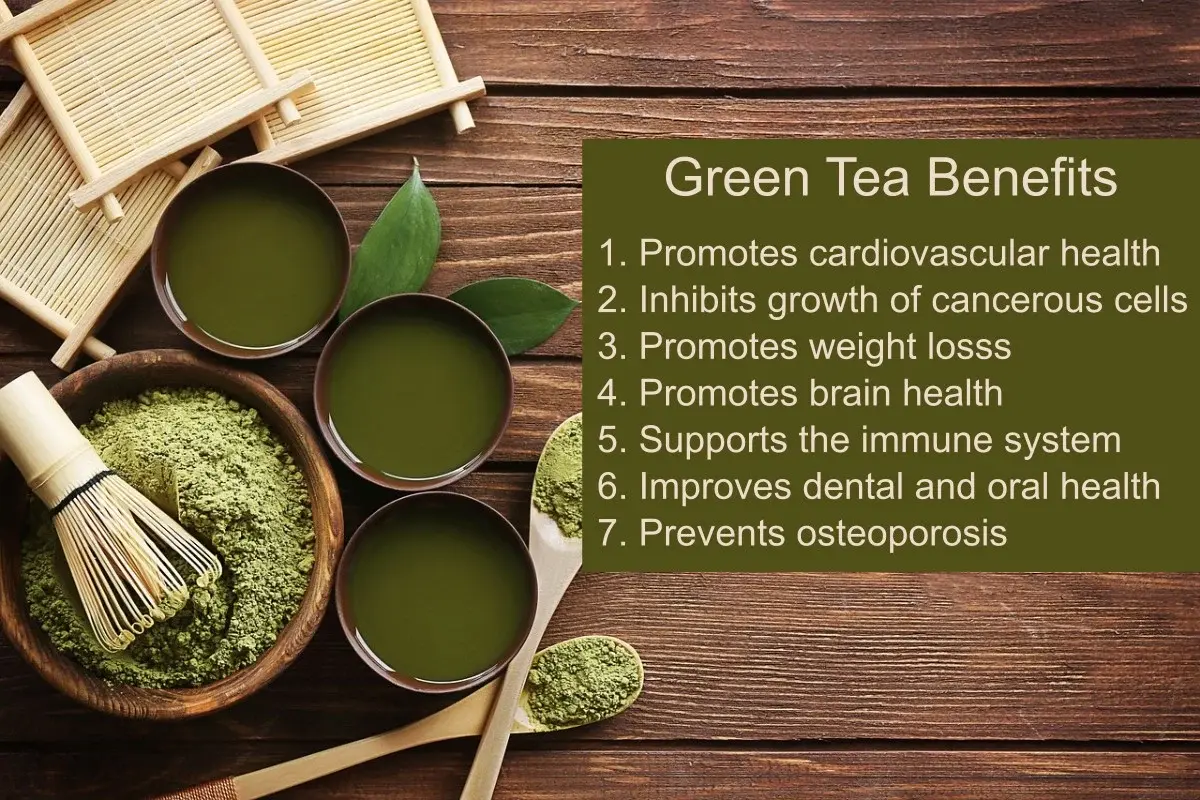

Wondering about the real green tea benefits? From boosting your heart health to supporting weight loss and brain function, green tea is more powerful than you might think.
Discover 7 science-backed health benefits and side effects of green tea to bear in mind in this comprehensive guide.
Table of Contents
Introduction
Green tea, derived from the Camellia sinensis plant, is one of the most popular and healthiest beverages worldwide. Known for its unique flavor and rich antioxidant content, green tea has been consumed for thousands of years for its healing and health-promoting properties. Its active compounds, especially catechins and polyphenols, offer multiple benefits for cardiovascular health, brain function, weight management, and more.
While green tea is generally safe for most people, excessive consumption can lead to certain side effects, particularly for those sensitive to caffeine or tannins.
Understanding the benefits, risks, and best practices for consumption ensures you can enjoy green tea safely and effectively.
Green Tea Benefits to Health
Green tea contains powerful bioactive compounds that support health in numerous ways. Scientific studies continue to confirm its protective and restorative effects.
1. Promotes cardiovascular health
Green tea benefits the cardiovascular system. It is a heart-friendly beverage thanks to its flavonoids and catechins. These compounds help:
- Reduce LDL cholesterol oxidation
- Improve blood vessel function
- Lower inflammation and plaque buildup
Research suggests that regular green tea consumption can reduce the risk of heart disease, stroke, and other cardiovascular conditions.
For example, a study published in Science Daily reported that participants who drank three or more cups of green tea daily had a 21% lower risk of heart disease.
The effect of this routine drink were stronger in women than men although both have inverse associations of all-cause and cardiovascular disease (CVD) mortality.
In simpler terms, while regularly sipping green tea helps protect both sexes from heart-related issues and early mortality, studies show the heart-protective perks are slightly more pronounced in women.
In epidemiological research, an “inverse association” simply means that as your green tea consumption goes up, your overall risk of mortality and heart-related illness goes down.
2. Inhibits growth of cancerous cells
Catechins in green tea have been shown to inhibit the growth of cancerous cells in various organs, including the oral cavity, skin, lung, breast, bladder, and colon. Green tea polyphenols may also protect the skin from UVB radiation, reducing the risk of skin cancer (Yang et al., 2011).
Simply speaking, green tea is packed with natural plant fighters (called catechins and polyphenols) that help slow down or stop the growth of bad, cancerous cells in different parts of the body—like your skin, lungs, and breast.
Think of green tea as a natural shield: drinking it can even help protect your skin from harmful UV rays from the sun, lowering your chances of skin damage and cancer over time.
Although green tea is not a cure, including it as part of a balanced diet can contribute to cancer prevention strategies. Reap green tea benefits while still young and without serious health issues like cancer.
3. Promotes modest weight loss and improved fat reduction
Green tea aids in weight management by:
- Increasing metabolism through catechins and caffeine
- Enhancing fat oxidation
- Reducing appetite
Studies have shown that individuals who drink green tea regularly may experience modest weight loss and improved fat reduction. Catechin-rich green tea supports maintaining a healthy weight even after losing excess pounds. Green tea weight loss benefits can be achieved with consistent daily intake of this wonderful tea.
4. Promotes brain health
Green tea promotes brain health through two key components: caffeine and L-theanine.
- Caffeine stimulates brain activity, improving alertness and attention.
- L-theanine promotes relaxation without drowsiness, enhancing focus and mood.
Regular consumption is associated with a lower risk of cognitive decline and neurodegenerative diseases, particularly in middle-aged and older adults. Studies suggest it may also improve memory, reaction time, and overall mental performance.
Related Post: Foods that Boost Brain Function Naturally
5. Supports the immune system
Green tea’s antioxidants help fight free radicals, enhancing immune function. Regular consumption may reduce the frequency and severity of infections and support overall immune health. Catechins like epigallocatechin gallate (EGCG) have antiviral and antibacterial properties, helping the body fight off pathogens.
6. Improves dental and oral health
Green tea can improve oral health by:
- Inhibiting bacteria responsible for tooth decay
- Reducing plaque formation
- Preventing gingivitis
Polyphenols in green tea combat harmful oral bacteria, supporting a healthy smile and fresh breath.
7. Prevents osteoporosis
Bioactive compounds in green tea, including flavonoids and catechins, may enhance bone mineral density and reduce the risk of fractures. This benefit is particularly important for postmenopausal women and older adults.
Potential Side Effects of Green Tea
While green tea is safe in moderation, overconsumption or sensitivity to its compounds may lead to side effects:
1. Caffeine-Related Issues: Restlessness, anxiety, insomnia, rapid heartbeat, and headaches.
2. Stomach Problems: Tannins may increase stomach acid, causing irritation, acid reflux, constipation, or nausea, especially on an empty stomach.
3. Iron Deficiency: Green tea can inhibit iron absorption, which may impact those with anemia or low iron levels.
4. Liver Concerns: High-dose green tea extracts have been associated with liver inflammation in rare cases.
5. Pregnancy Precautions: Excessive caffeine intake may pose risks to fetal development.
6. Medication Interactions: Green tea can interfere with certain medications, including blood thinners.
7. Osteoporosis Risk: High consumption may increase calcium excretion, affecting bone health when caffeine intake is excessive.
How to Consume Green Tea Safely
To enjoy green tea benefits while minimizing side effects, be guided by the following tips:
- Drink in Moderation: 2–3 cups per day is recommended.
- Observe Proper Timing: Drink after meals to avoid stomach upset.
- Enhance Iron Absorption: Add lemon for vitamin C to enhance iron absorption and counteract the inhibiting effects of green tea.
- Take Decaffeinated or High-Theanine Options: Reduce caffeine-related effects while enjoying antioxidants.
Try this premium antioxidant-rich green tea from Amazon—perfect for heart, brain, and metabolism support.
Buy Green Tea Now*This is an affiliate link; I earn a commission at no extra cost to you.
Best Types of Green Tea and Brewing Tips
Types of Green Tea
- Sencha: Popular Japanese tea, mild flavor
- Matcha: Powdered green tea, rich in antioxidants
- Gyokuro: High-quality Japanese tea with umami flavor
- Longjing (Dragon Well): Chinese tea with nutty taste
Brewing Tips
- Use 70–80°C water for delicate leaves
- Steep for 2–3 minutes to prevent bitterness
- Avoid boiling water to preserve catechins
Creative Ways to Enjoy Green Tea
- Hot Tea Blends: Combine with ginger, mint, or cinnamon
- Iced Tea: Brew, chill, and add lemon or honey
- Smoothies: Blend matcha with banana or berries
- Desserts: Green tea ice cream or baked goods
Conclusion
Green tea is a versatile and powerful beverage that supports heart health, brain function, immunity, weight management, and more. Awareness of potential side effects and mindful consumption ensures you enjoy the full range of benefits. Include green tea in your daily routine as part of a balanced, healthy lifestyle.
Loved learning about green tea benefits? Discover more tips for boosting your health naturally! Explore our Health & Wellness Articles to find science-backed ways to improve immunity, manage weight, and support your overall well-being.
References
Huda, H.-S.-A., Majid, N. B. A., Chen, Y., Adnan, M., Ashraf, S. A., Roszko, M., Bryła, M., Kieliszek, M., & Sasidharan, S. (2024). Exploring the ancient roots and modern global brews of tea and herbal beverages: A comprehensive review of origins, types, health benefits, market dynamics, and future trends. Food Science & Nutrition, 12(10), 6938–6955.
JAMA and Archives Journals. (2006, September 13). Consumption Of Green Tea Associated With Reduced Mortality In Japanese Adults. Science Daily. https://www.sciencedaily.com/releases/2006/09/060913100352.htm
Yang, C. S., Wang, H., Li, G. X., Yang, Z., Guan, F., & Jin, H. (2011). Cancer prevention by tea: Evidence from laboratory studies. Pharmacological Research, 64(2), 113-122.
Frequently Asked Questions (FAQs)
What are green tea benefits for skin?
Green tea acts like a natural shield for your skin. It is packed with plant compounds that help protect your skin cells from sun damage (UV rays) and reduce everyday wear-and-tear, keeping your skin looking healthier and more resilient against aging.
What are green tea benefits for stomach?
While green tea isn’t used to treat stomach issues, drinking it the wrong way can actually cause a bit of tummy trouble. It contains natural compounds (tannins) that can trigger stomach acid. If you drink it on an empty stomach, you might feel a bit nauseous or experience acid reflux.
The easy fix? Enjoy your cup with or right after a meal!
What are green tea benefits at night?
Generally, drinking green tea right before bed is a bit of a mixed bag. On one hand, it has a relaxing amino acid that helps calm your mind. On the other hand, it contains caffeine, which can keep you tossing and turning or make it hard to fall asleep. If you want a calming evening drink, opt for a decaffeinated or herbal option instead.
What are green tea benefits for weight loss?
Green tea is a great, natural sidekick for weight management. The combination of caffeine and natural plant compounds (catechins) gives your metabolism a gentle nudge, helps your body burn fat more efficiently, and can help keep snack cravings under control when paired with a healthy lifestyle.
What are green tea benefits and side effects?
The Benefits: Regular sipping supports a healthier heart, sharpens your focus and memory, boosts your immune system, and helps protect your bones and teeth as you age.
The Side Effects: If you overdo it (like drinking 5+ cups a day), the caffeine can give you the jitters or mess with your sleep. It can also make your stomach unhappy if you drink it on an empty stomach or slightly lower how well your body absorbs iron from food.
What are green tea benefits for men?

Guys get the exact same awesome head-to-toe perks as everyone else—including better heart health, steady energy, protected brain function, and a stronger metabolism. Plus, studies suggest that regular green tea drinkers may have a lower risk of certain age-related health concerns specific to men, like prostate issues.
© Simplyeducate.me | A. P. Cruz